
ARTIST STATEMENT
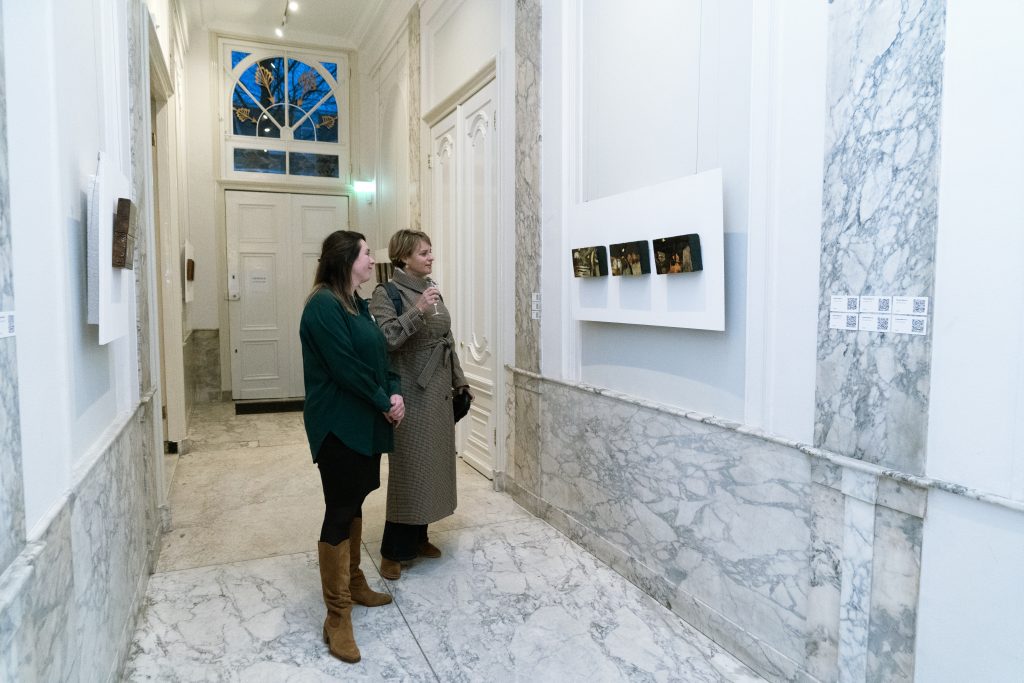
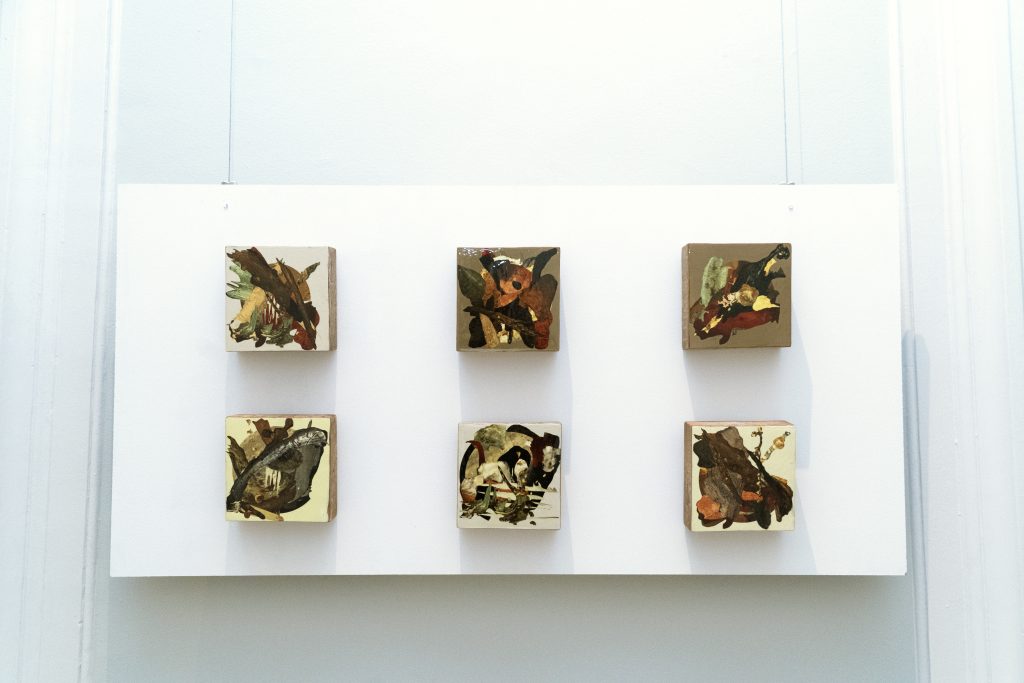
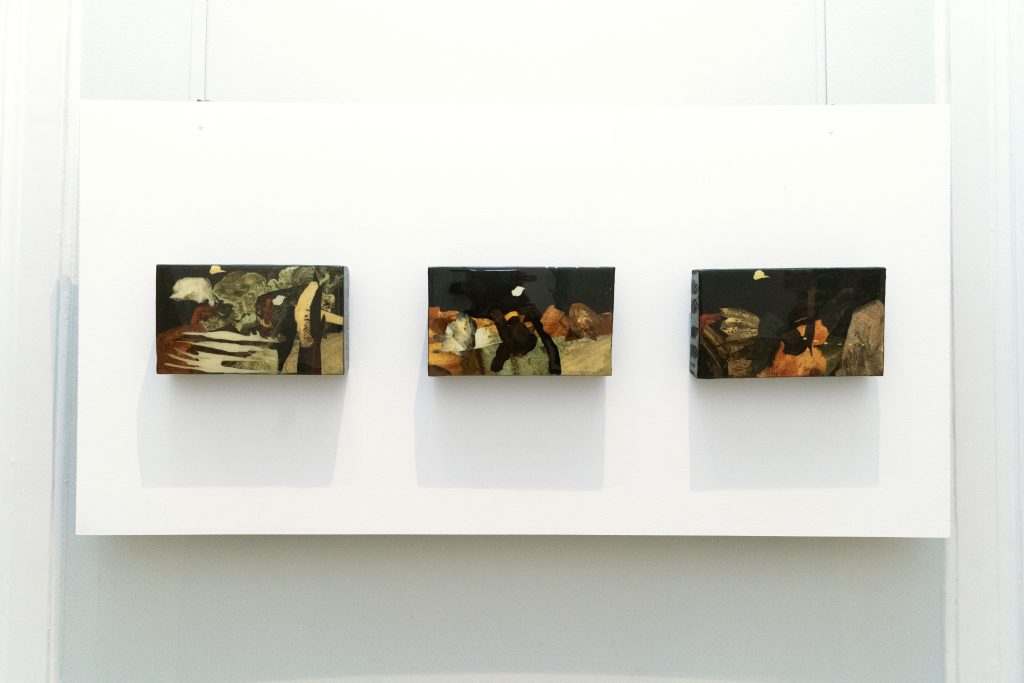
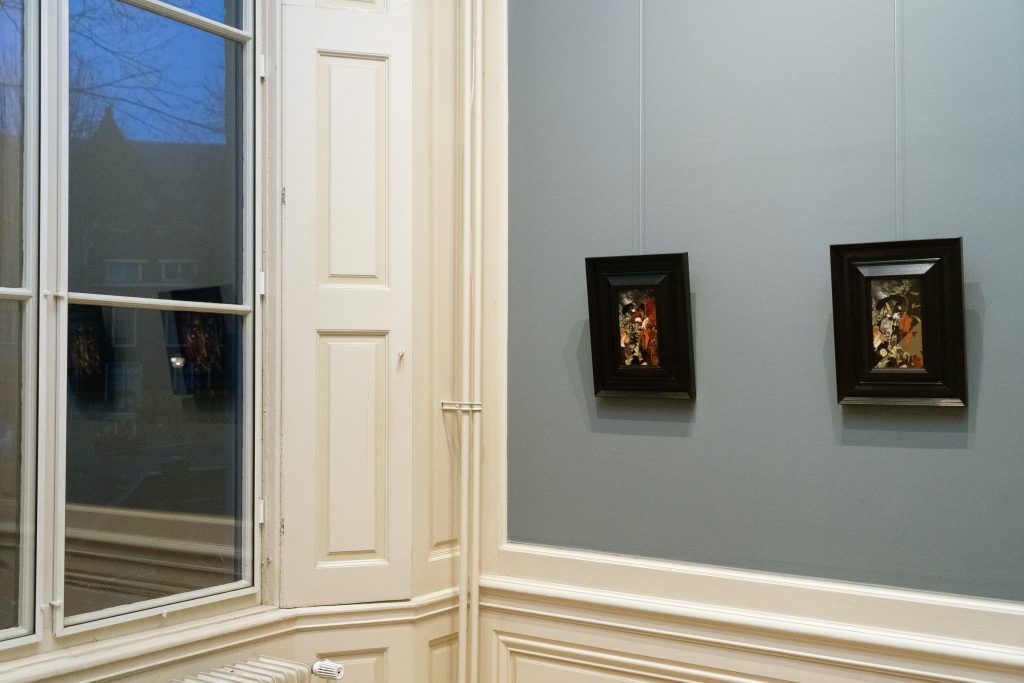
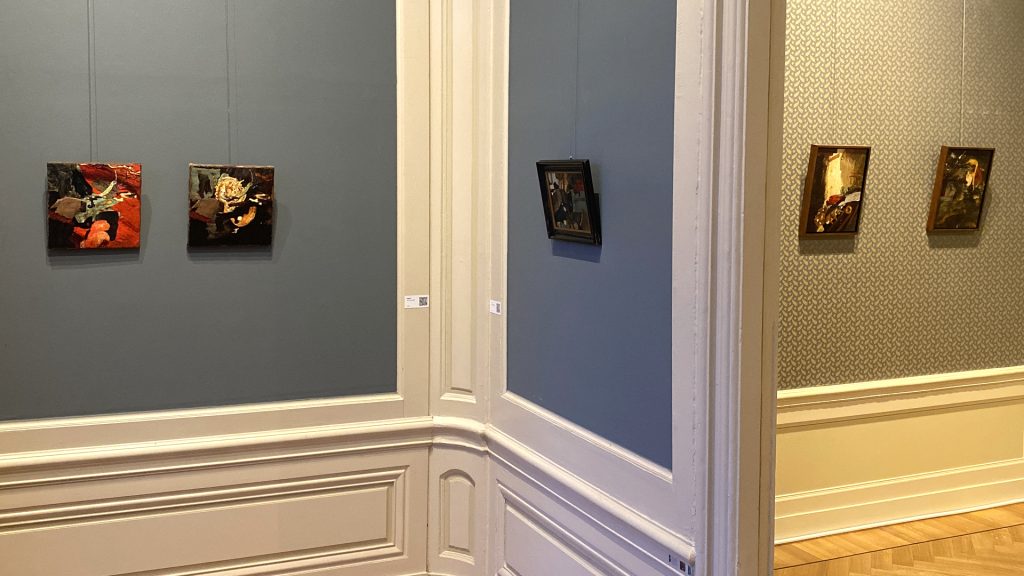
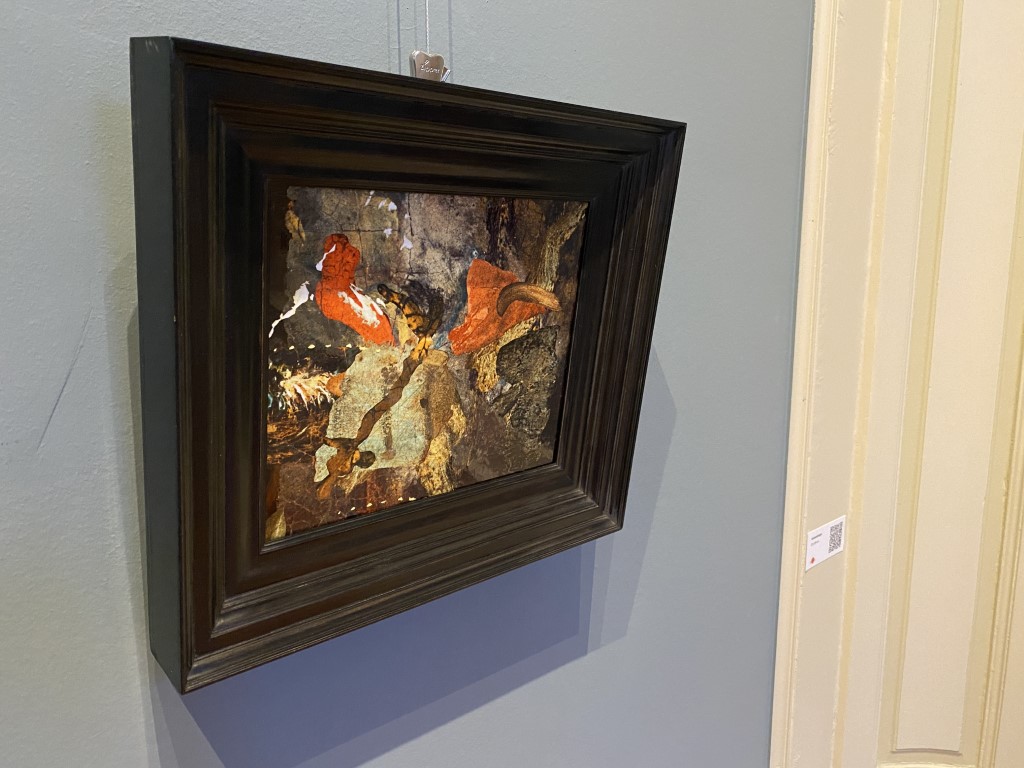
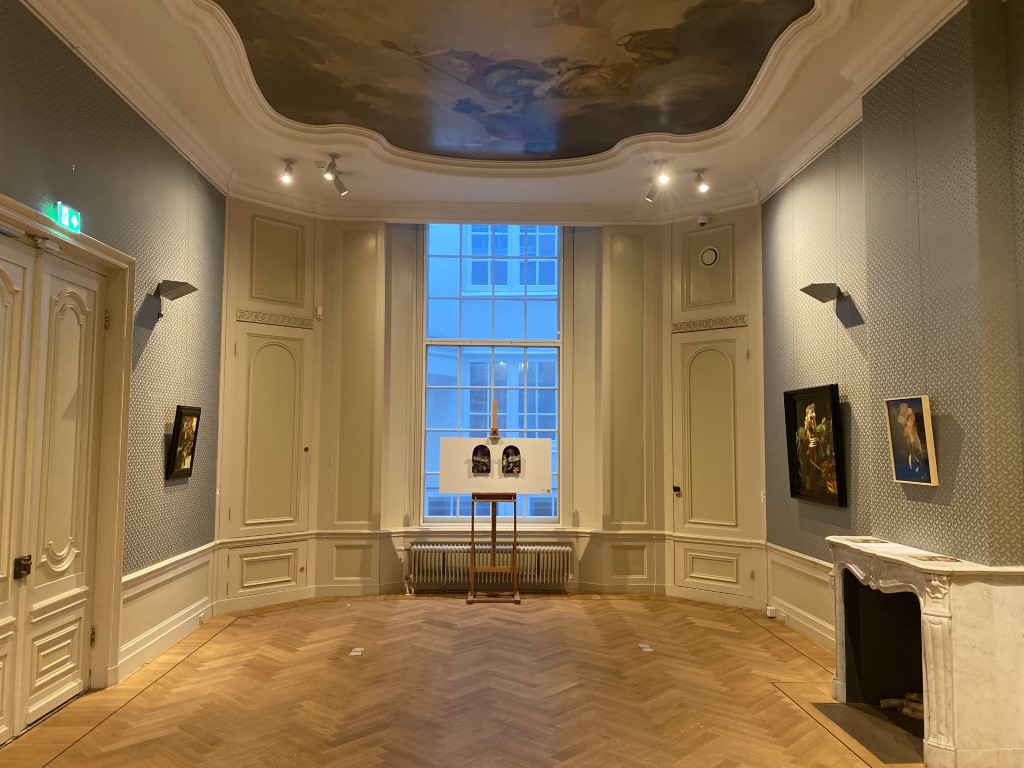
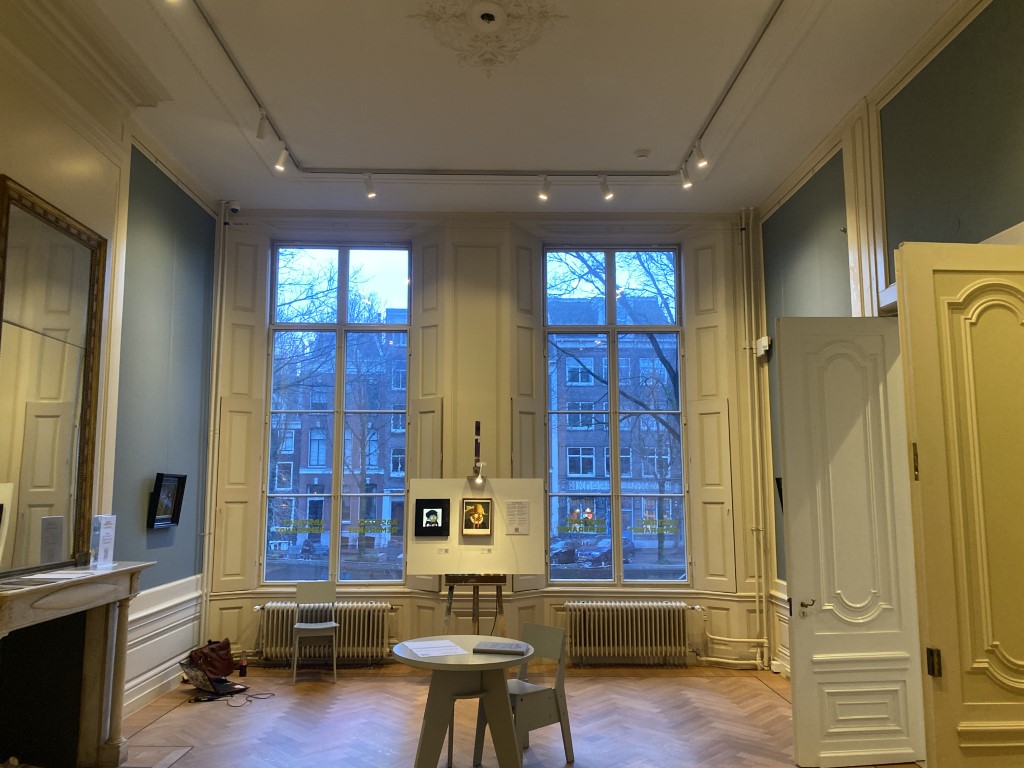
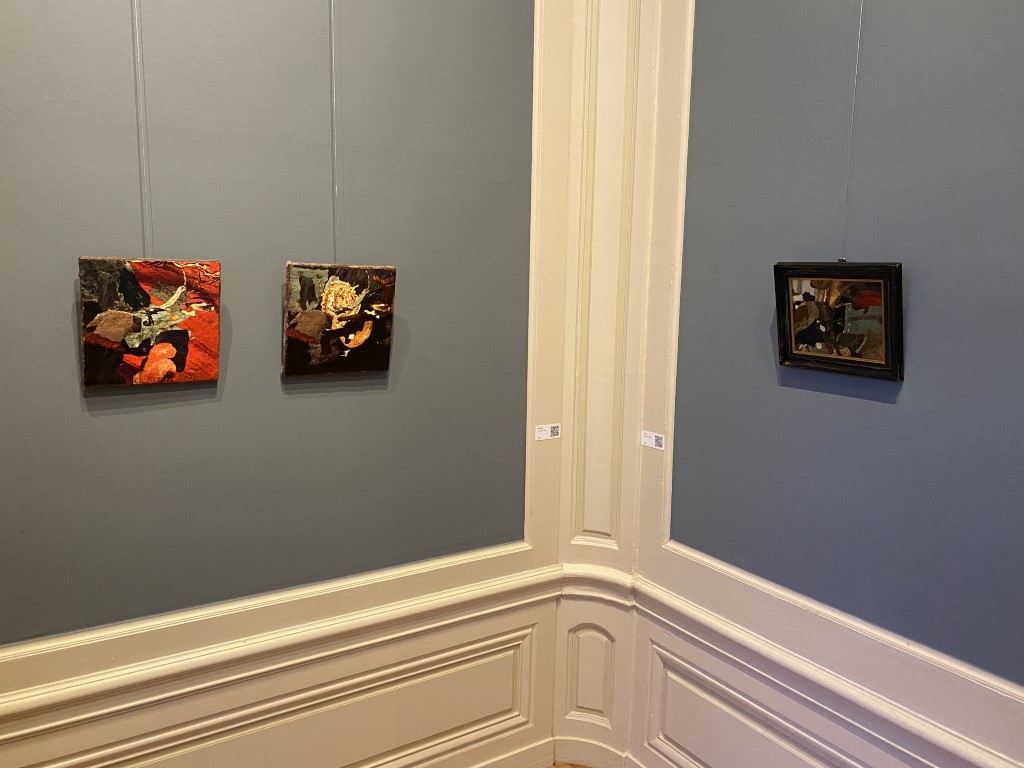
Remon de Jong builds abstract works from the physical traces of 17th-century painting. He isolates individual brushstrokes from old master works and recomposes them into new autonomous compositions. What once described a face, a sleeve, or a shadow is freed from its narrative duty and encountered for what it always was: a gesture.
The brushstroke is the smallest unit of presence in a painting. In a single mark you can read hesitation or confidence, speed or control. It is the most direct evidence of the artist’s hand, the place where intention becomes visible. By extracting these gestures from historical works and recomposing them, De Jong builds paintings that hold the hand of one century in the structure of another.
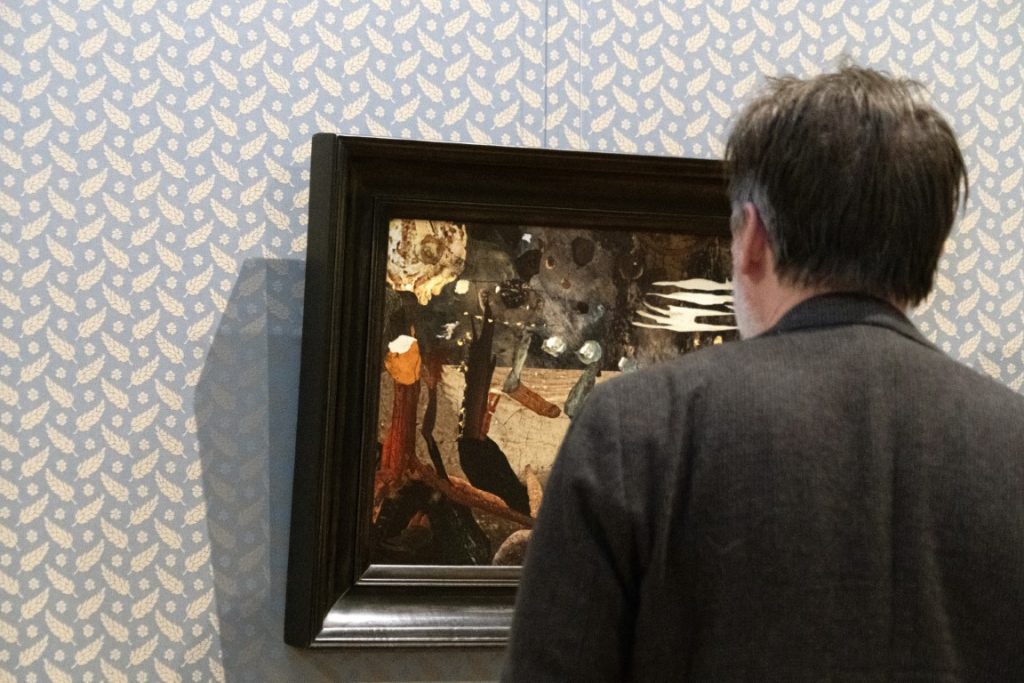
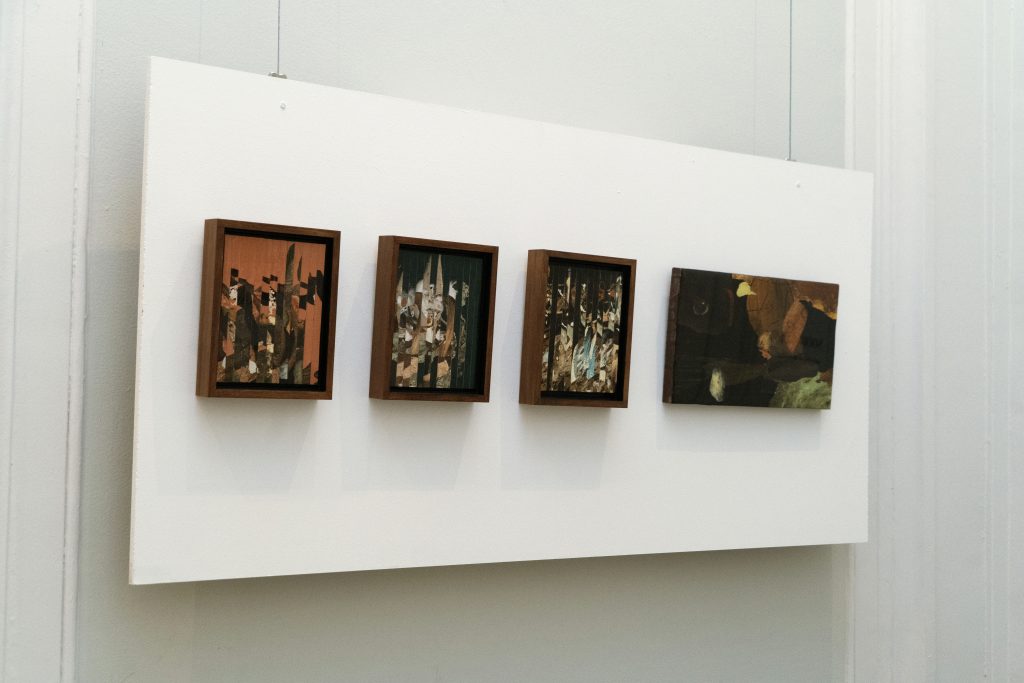
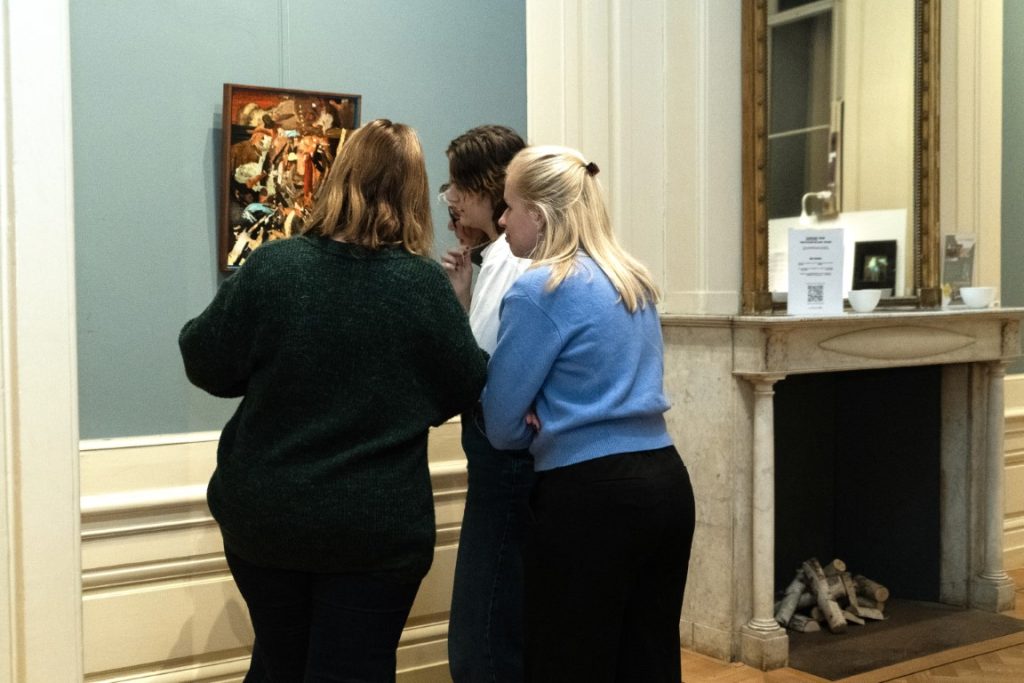
The work begins in oil paint, moves through digital process, and returns as a physical object of museum quality, often housed in a rare antique frame.
Each piece carries the trace of multiple hands: the maker who first set down the stroke, and the artist who composed it anew. Freed from its original image, the gesture stays open: it moves with the viewer, gathering new meaning over time. What remains is not the image. It is the hand.
PROCESS
Below is a short film showing part of my working process: the isolation of individual brushstrokes from a 17th-century painting.
I begin by closely studying old master works, often paintings by Rembrandt and his contemporaries, searching not for the image itself, but for the smallest unit of authorship: the brushstroke. A brushstroke carries more than color. It holds movement, hesitation, confidence, correction, rhythm. It is the most direct physical trace of the artist’s hand, the place where thought becomes visible.
I digitally isolate these fragments from their original context: a sleeve, a shadow, a face, a reflection, a piece of sky. Once removed from their descriptive function, they become autonomous forms, pure gesture, structure, tension, and composition. These fragments are then reconstructed into new abstract works. What begins in 17th-century oil paint moves through a digital process and returns as a physical object of museum quality, often finished with varnish and presented in antique frames.
Made digitally, the work looks old. That reversal is the point. A digital image is endless, weightless, everywhere at once. I take that material and make it singular again: one object, one surface, one place on a wall. Reclaiming what is fleeting. Slowing what is fast. Making the interchangeable original again. It is a small counterweight to the digital age, built with the tools of that age.
The video below shows that first step: capturing the brushstroke. The beginning of the transformation.Below is a short film showing part of my working process: the isolation of individual brushstrokes from a 17th-century painting.
ABOUT
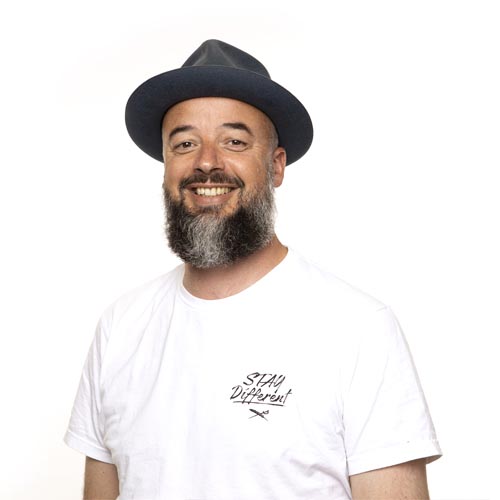
Remon de Jong (1977) is a Dutch visual artist living and working in Broek in Waterland, near Amsterdam. His practice centers on abstract works constructed from digitized brushstrokes taken from 17th-century paintings.
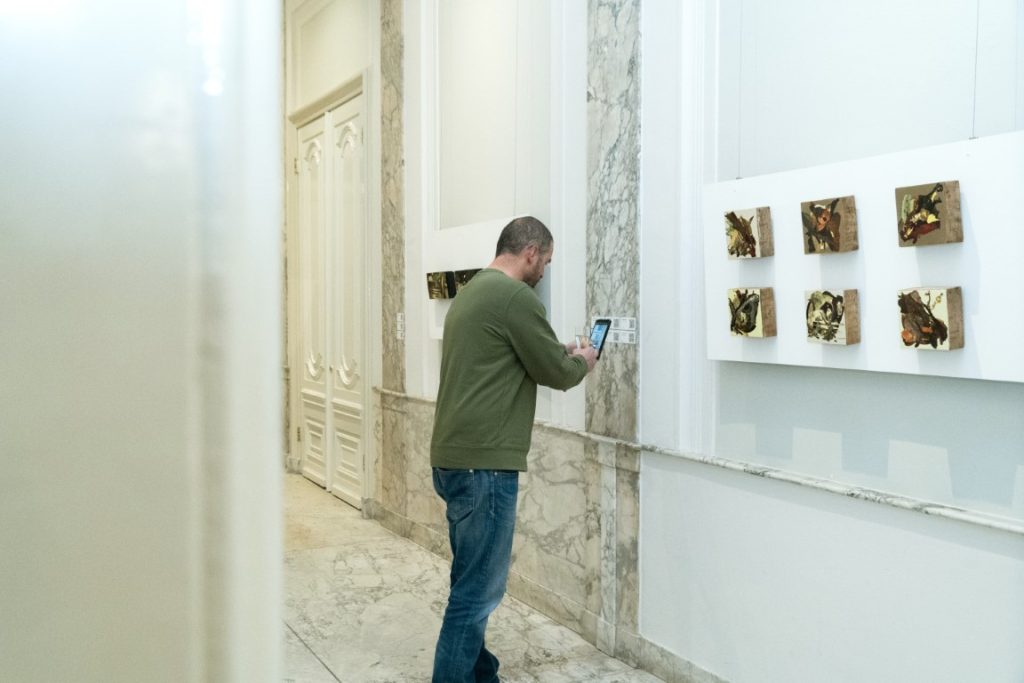
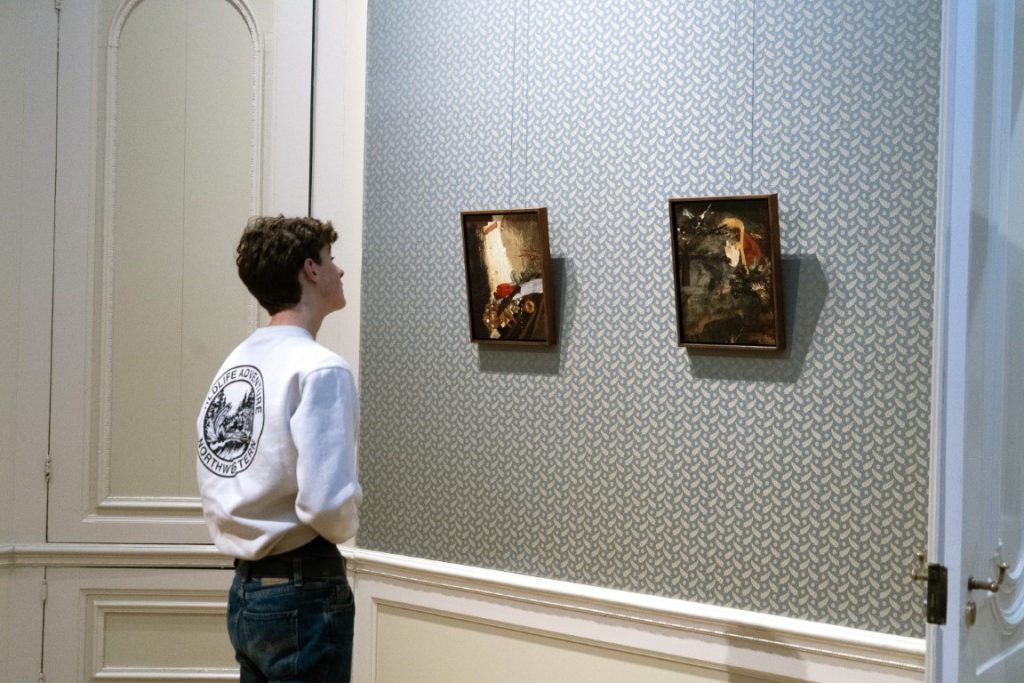
Selected exhibitions and presentations include Kunsthandel Piet de Boer, Amsterdam (2026), Marres / Limburg Biënnale, Maastricht (2024), StadsSalon, Amsterdam (2025), Vrije Academie, Amsterdam (2023), Huis Vasari, Amsterdam (2023), Fries Museum, Leeuwarden (2011), and Museum Belvédère, Heerenveen (2010).
His work is held in private collections in the Netherlands.
Born and raised in Fryslân, De Jong studied at Willem de Kooning Academy in Rotterdam and CIBAP in Zwolle.
Curriculum Vitae
Born
1977 — Heerenveen, The Netherlands
Lives and Works
Broek in Waterland, near Amsterdam, The Netherlands
Education
Willem de Kooning Academy, Rotterdam
CIBAP, Zwolle
Solo Exhibitions (selection)
2023 — Huis Vasari, Vrije Academie Amsterdam, Amsterdam
2015 — Kunsthuis LOOF, Jubbega
2011 — Fries Museum, Skyn en Skaad, Leeuwarden
2011 — Argument, on-site installation, Tilburg
2010 — Museum Willem van Haren, Heerenveen
2009 — Art Heerenveen, Heerenveen
2005 — Galerie De Lawei, Drachten (duo with Alex Kooistra)
Group Exhibitions (selection)
2026 — Art Route, Broek in Waterland
2025 — Exquisite Encounters, StadsSalon, Amsterdam
Group exhibition alongside Jan Snijder, Emily Bates, Inti Hernández, Deirdre McLoughlin, Antonio José Guzmán & Iva Jankovic, and Daniel Aguirre
2024 — Vrijpaleis, Amsterdam
2024 — Limburg Biënnale, Maastricht
2024 — Art Route, Broek in Waterland
2016 — Art Route, Broek in Waterland
2012 — IJburg Photo & Film Festival, Amsterdam
2012 — Kunst om Dalfsen, Dalfsen
2012 — Open Studio Het Domijn, Weesp
2012 — Mensinghe House, Roden
2011 — WTC Plaza, Leeuwarden
2008 — Museum Belvédère, Museumnacht, Oranjewoud
2006 — Oosterpoort, Groningen
2005 — Galerie Bas, Sneek
2004 — CBK, Leeuwarden
2003 — Museum Willem van Haren, Heerenveen
2003 — Romein Gallery, Leeuwarden
Public Works / Commissions
2012 — Public artwork The Transformation, Franeker
2011 — Interactive basketball court, Heerenveen
2010 — Public artwork Midden, Heerenveen
2010 — Sketch commission, Municipality of Weststellingwerf
Work included in private collections throughout the Netherlands.
Selected Press
radio 1 interview
“What matters is that, despite the digital process, the work still feels unmistakably 17th century.”
Natasja Gibbs – Radio 1
Institutional Response
“There is only one possible conclusion: Rembrandt would have loved this.”
Epco Runia –Head of Collections, Museum Rembrandthuis
Critical Text
“The soul of the Night Watch seems to hover above these digital brushstrokes.”
Essay by Jurjen K. van der Hoek